Finding fossils
Every fossil belongs to a species, and the species is decided by the biome where the fossil is found. A fossil dug in a snowy plains could be a Woolly Mammoth or a Woolly Rhinoceros; the same find in a warm ocean could be a Megalodon. The Creatures page lists the biomes for each species.
Underground, or in a biome no species calls home, a fossil takes the species of the land above it, and failing that it can be any species at all.
Fresh fossils are always dirty and unidentified. Their tooltip shows ??? for the species until you identify them.
Where to look
Fossil Ore
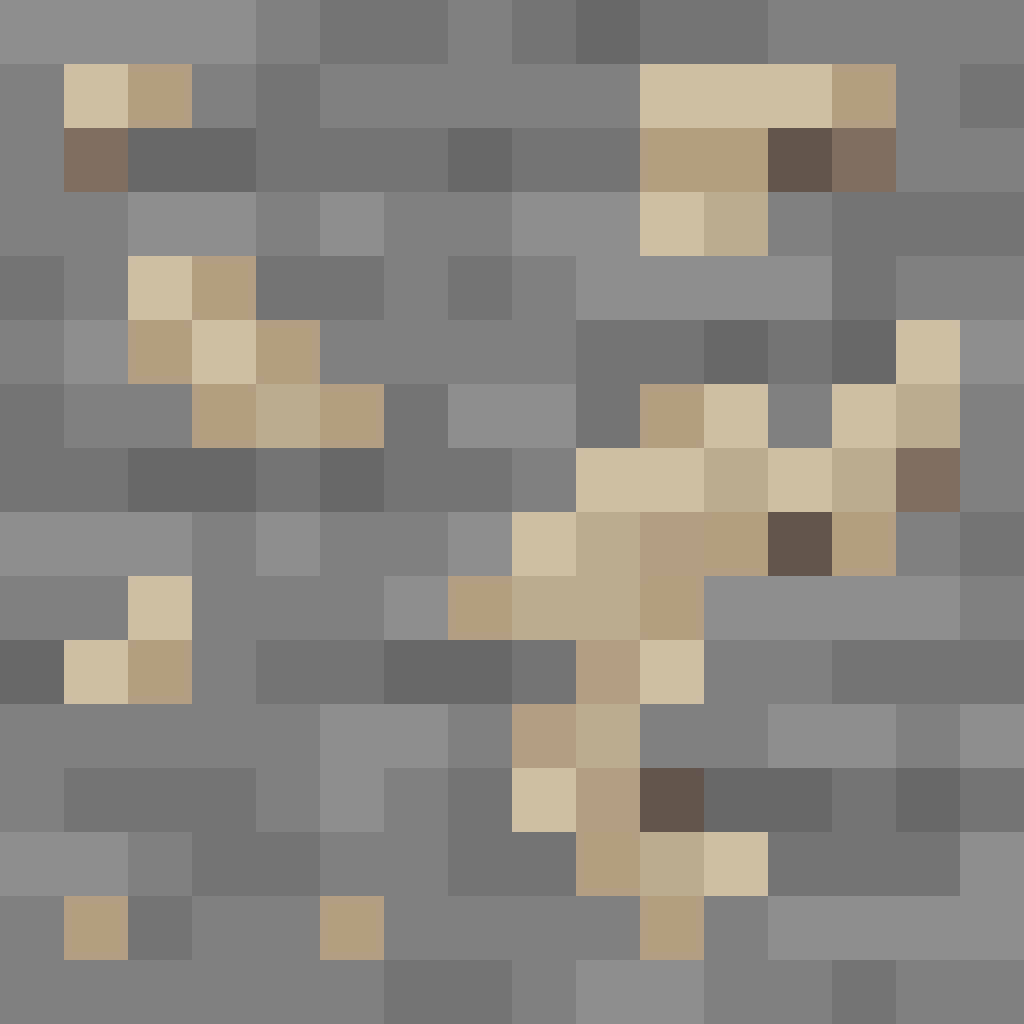 Fossil Ore
Small veins of fossil ore generate in stone in every Overworld biome, between Y -64 and Y 50, in about one chunk out of 64. Mining one with a chisel drops a single dirty fossil of any bone part, including egg fossils. A pickaxe won't drop anything.
Deepslate Fossil Ore
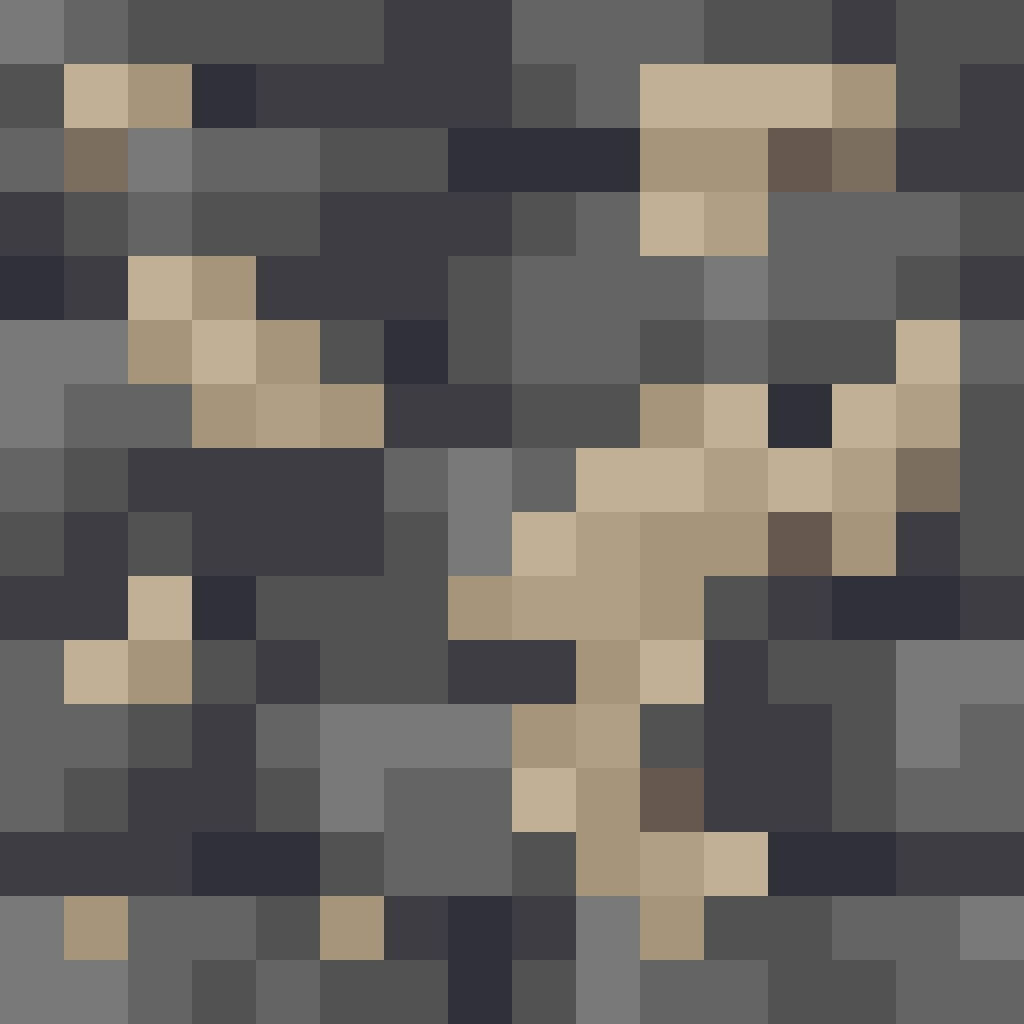 Deepslate Fossil Ore
Below Y 0, in about one chunk out of 12. Only skulls, vertebrae, teeth and egg fossils, and the deep rock keeps them 15% more complete.
Amber
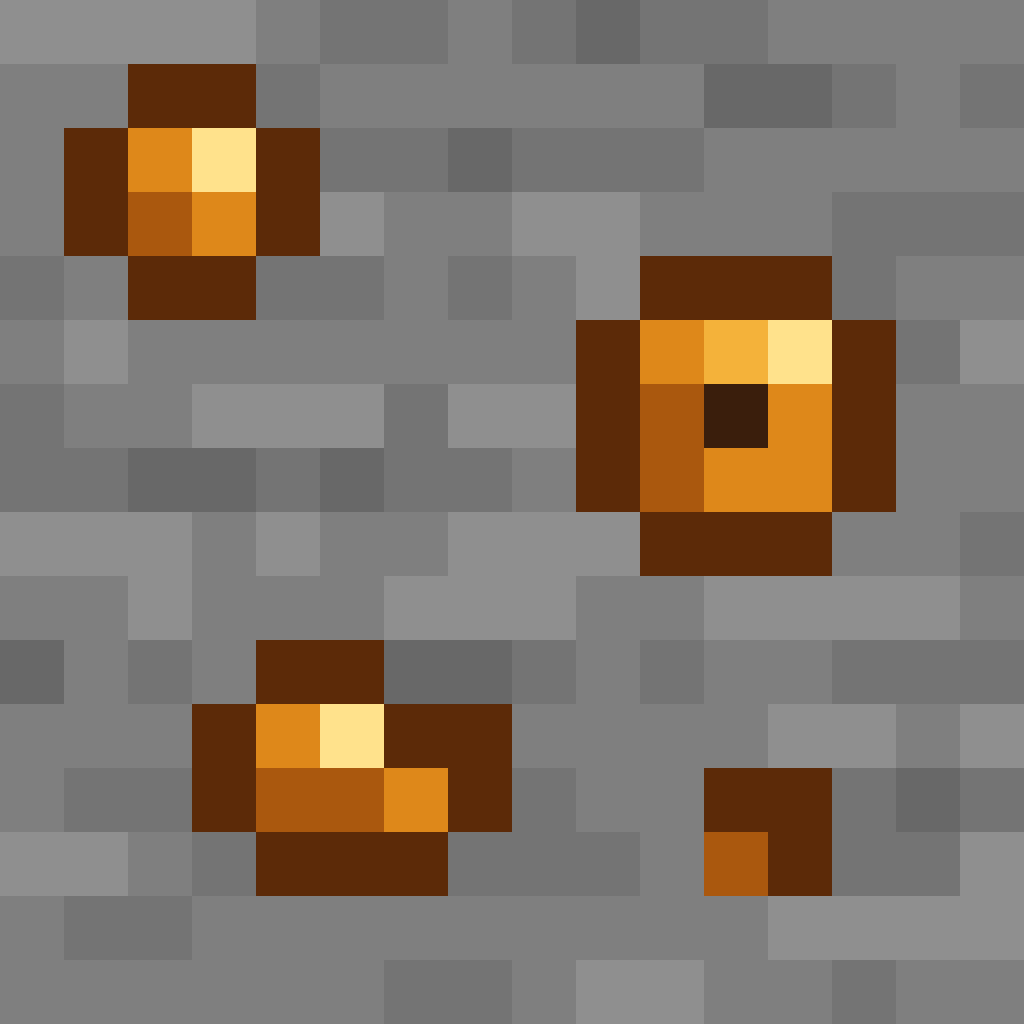 Amber Ore
Amber ore forms in the stone under jungles, dark forests and mangrove swamps, and in lush caves, between Y 8 and Y 96. Chisel it for Amber with Insect, a fossil part that is cleaned, identified and extracted like any other. The insect's last blood meal gives it the best DNA bonus of any part, and it almost never fails identification.
Frozen fossils
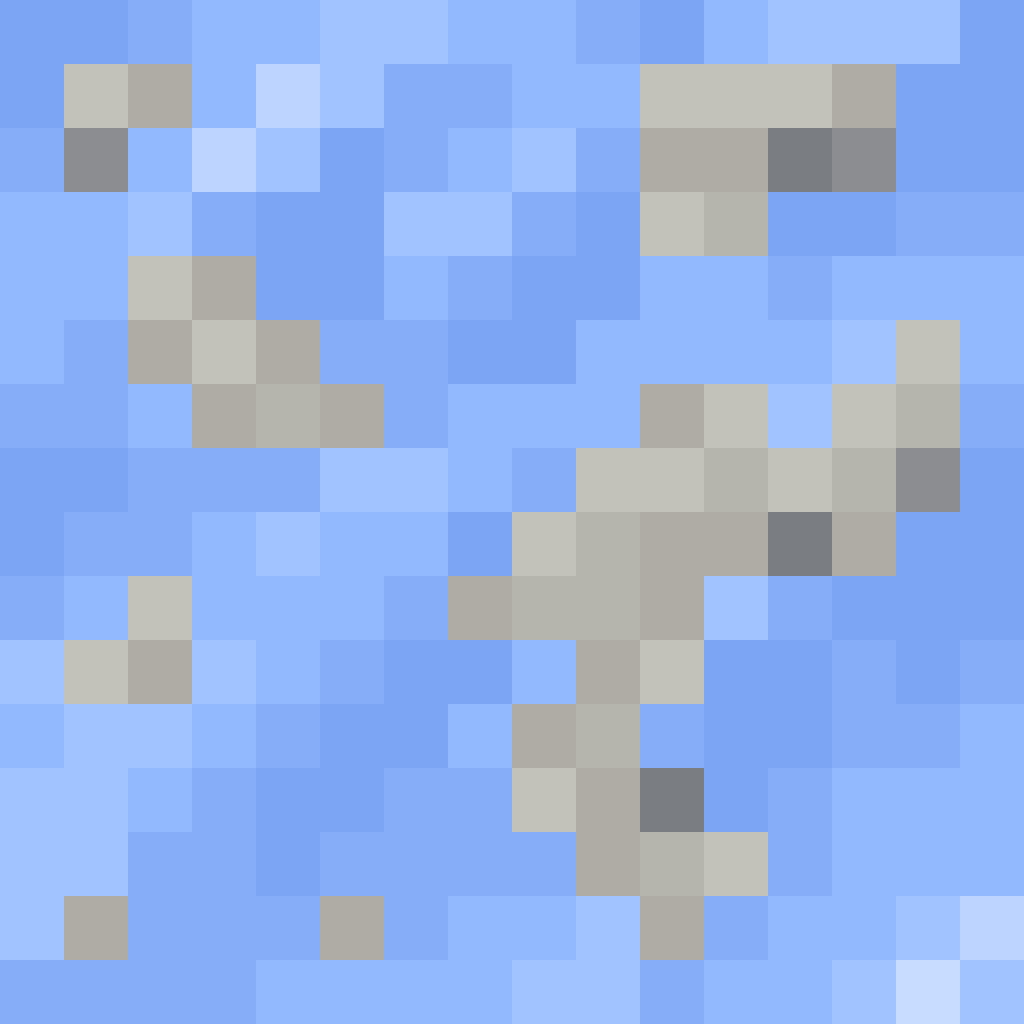 Frozen Fossil
Found in the packed and blue ice of ice spikes, icebergs, frozen peaks and snowy slopes. Ice keeps a carcass almost whole, so these come out 25% more complete, and they are always ice-age animals: Woolly Mammoth, Woolly Rhinoceros, Dire Wolf or Smilodon.
Fossil seams and beds
On bare cliff faces in badlands, stony shores, stony peaks, windswept hills and savanna plateaus, look for pale bands of fossil ore and bone. Seams only form where they can be seen.
In deserts, badlands, savannas, plains, snowy plains and swamps, whole skeletons lie buried 15 to 25 blocks down. They look like vanilla fossils, but with fossil ore where vanilla puts coal and in some of the bones.
Rock piles
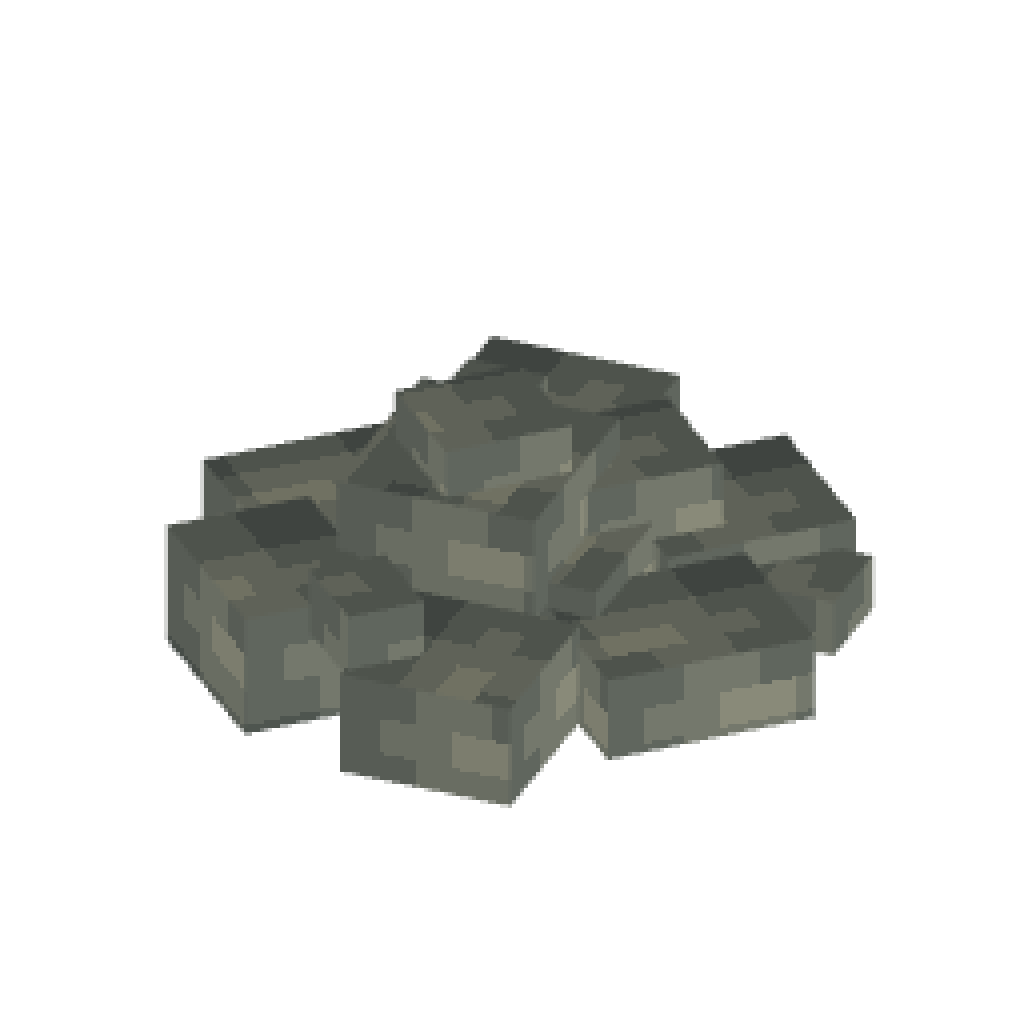 Rock Pile
Small piles of stone scattered on the surface of Overworld biomes. Most are just rocks, but some have bones or an egg poking out, and you can see which before you break them:
| Rock pile looks like | Chance | Drops (with a chisel) |
|---|---|---|
| Plain rocks | 74% | 1–4  Rock Fragments |
| Rocks with fossil fragments | 22% | Rock Fragments and a dirty fossil of any part |
| Rocks with an egg | 3% | Rock Fragments and a dirty  Egg Fossil |
| Rocks with fragments and an egg | under 1% | Rock Fragments, a dirty fossil and a dirty Egg Fossil |
Rock piles also need a chisel to drop anything.
Dig sites
Dig sites are expedition camps with up to three excavation pits around them: trenches, stepped quarries, half-uncovered skeletons and collapsed sinkholes. Brush the suspicious sand and gravel with a vanilla brush; the deeper layers also hold fossil ore. Brushing never damages a fossil, and a site has around 30 to 40 brushable blocks. Dig sites are also the main source of Egg Shell Fragments, which you need for Artificial Eggs.
Each biome's site turns up its own mix of parts: badland and highland sites give more skulls, savannas more limbs and vertebrae, jungle sites hide amber, cold sites keep their bones 10% more complete, and coastal sites give sea creatures. Pick a site below to see its loot.
The camp chest holds fossils, tools, the expedition's Field Notes (a book listing the species recorded in that region, with a few tips), and sometimes a Dig Site Map to another site. About one camp in eight was overrun long ago. Its undead crew still guards the main pit from a spawner, but its chest holds rarer, better-preserved finds.
Brushing at the Arid Dig Site (19.1% fossils)
 Claw Fossil Fragment5.6%
 Tooth Fossil Fragment5.6%
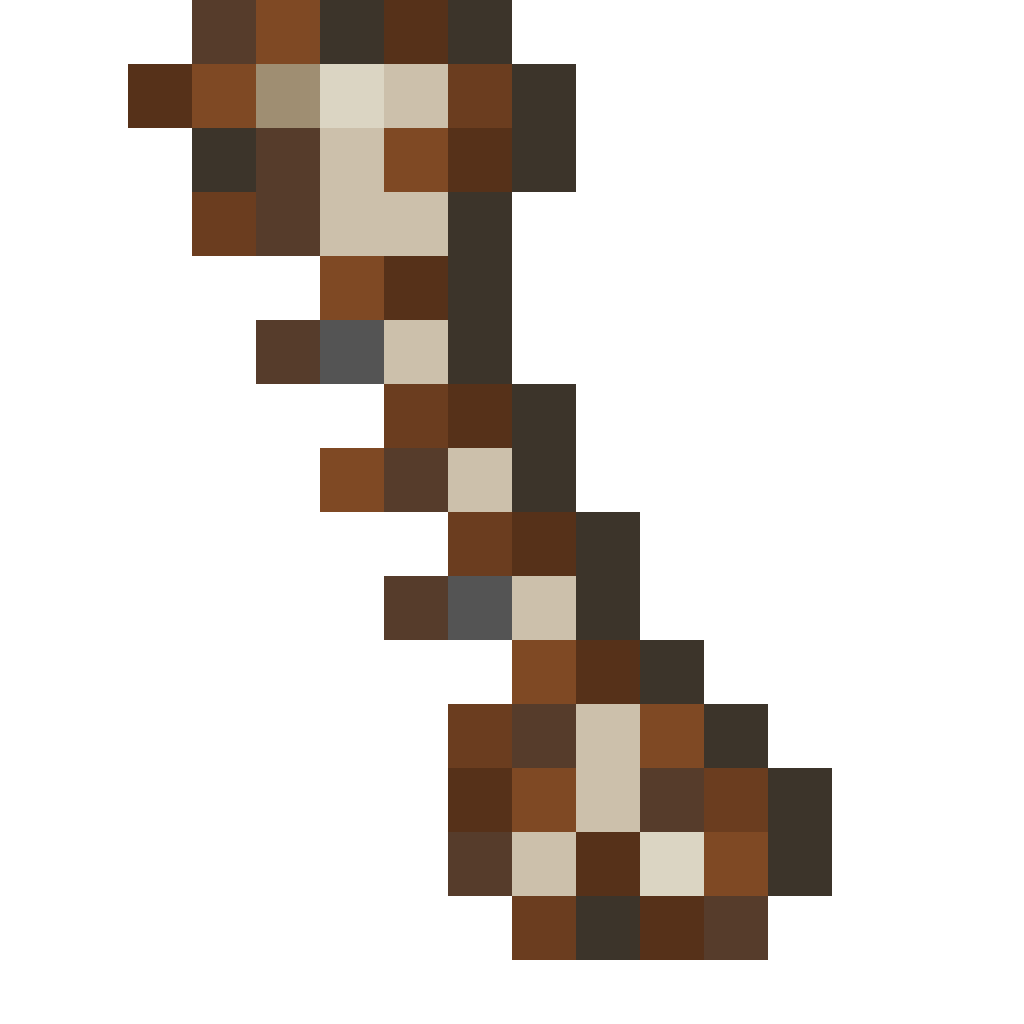 Limb Fossil Fragment3.4%
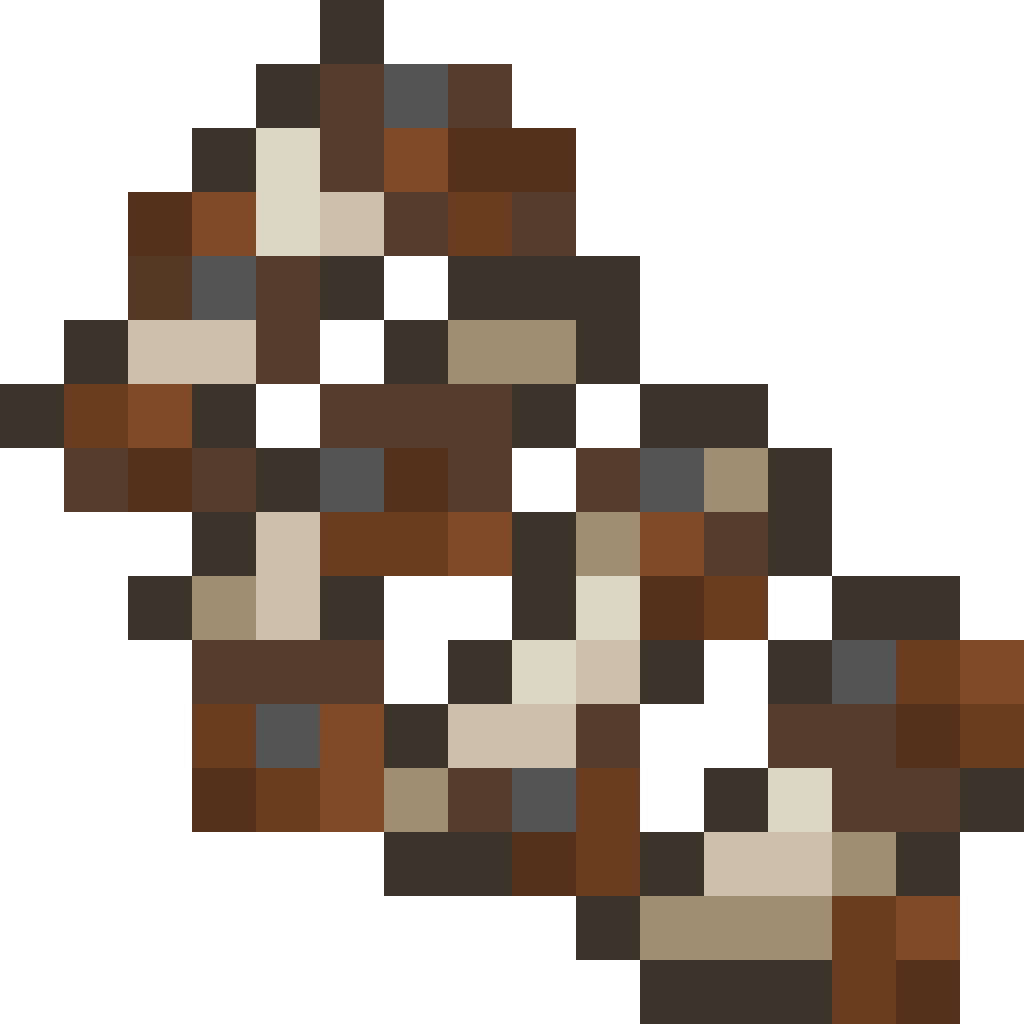 Rib Fossil Fragment2.2%
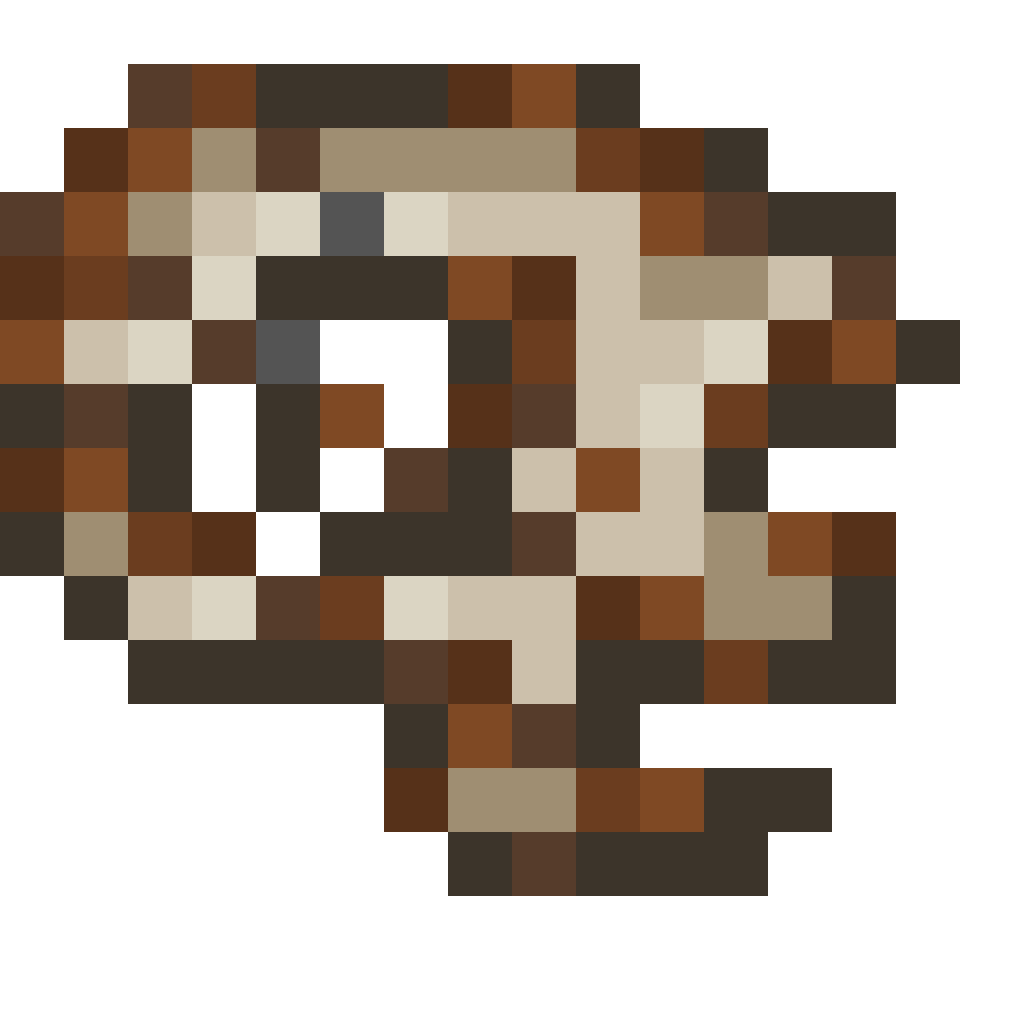 Skull Fossil Fragment1.1%
- Egg Fossil1.1%
 Egg Shell Fragment9%
- Rock Fragment13.5%
 Dirt Fragment11.2%
 Bone13.5%
 Coal9%
 Stick9%
- Nothing6.7%
 Gold Nugget4.5%
 Dead Bush4.5%
Sifting
 Sifter
 Sifter
Use gravel, sand, red sand, mud or dirt on a Sifter, then use the Sifter four times to shake out what was in it. About one load in 30 gives a fossil; the rest is flint, rock fragments, egg shell and the odd nugget. Slow, but it never runs out.
Everywhere else
- Vanilla ruins: brushing desert pyramids and desert wells (8%), trail ruins (5%, 12% for the rare loot) and ocean ruins (6%, sea creatures only) can turn up a fossil instead of the usual find.
- Fishing: about one catch in a hundred is a fossil or a piece of amber.
- Mobs: husks and drowned killed by a player have a 2.5% chance to drop a fossil (+1% per level of Looting).
- Trading: wandering traders sometimes sell an uncleaned fossil (12 emeralds) or amber (20 emeralds). Journeyman cartographers sell Dig Site Maps.
Reassembling fragments
Two to four identified fossils of the same species can be combined on a crafting table. The most complete piece is kept, and every other piece adds half of its own completeness to it, up to 100%.
Fossil parts
Eight kinds of fossil can turn up. They differ in how much of the animal survived (completeness), how likely they are to fail identification, and how much they help when extracting DNA.
| Fossil | Completeness | Identify fail chance | DNA bonus |
|---|---|---|---|
 Egg Fossil | 60%–80% | 20% | +20% |
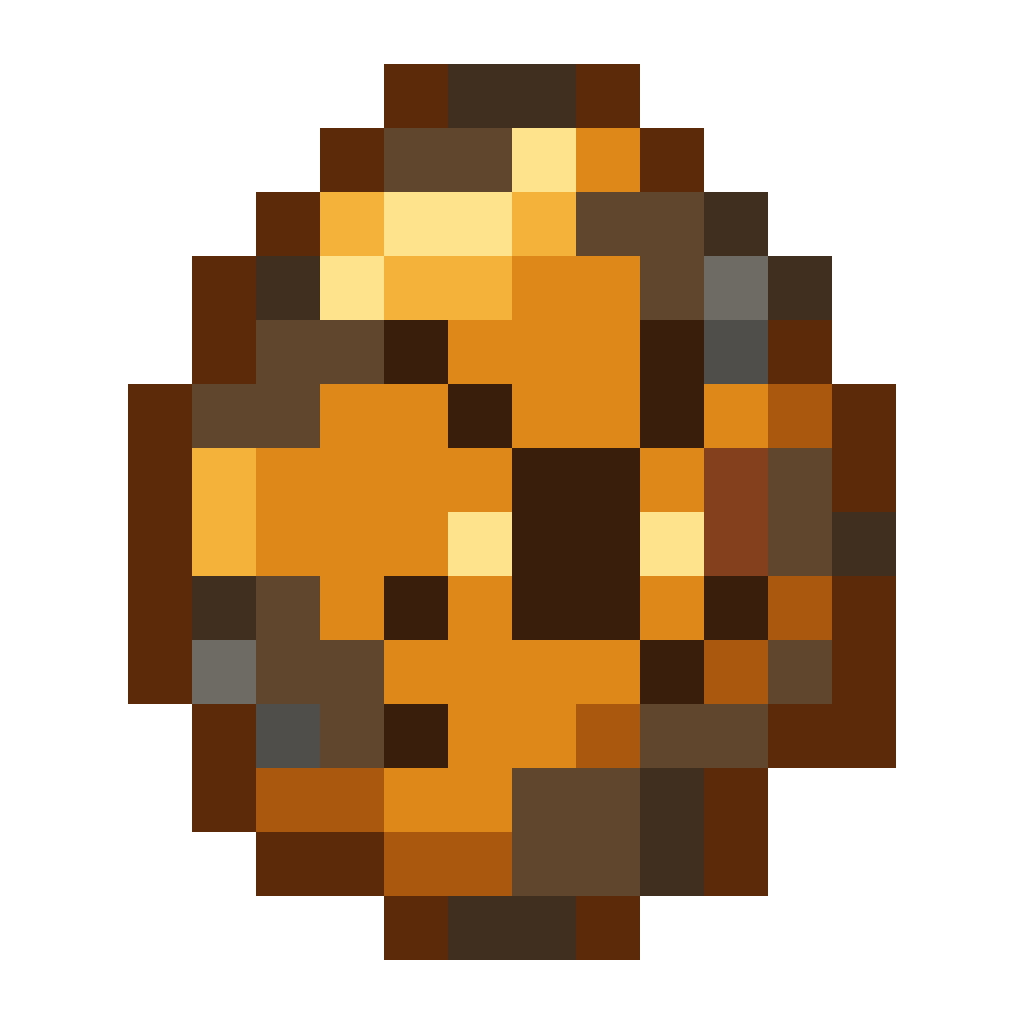  Amber with Insect | 45%–75% | 5% | +24% |
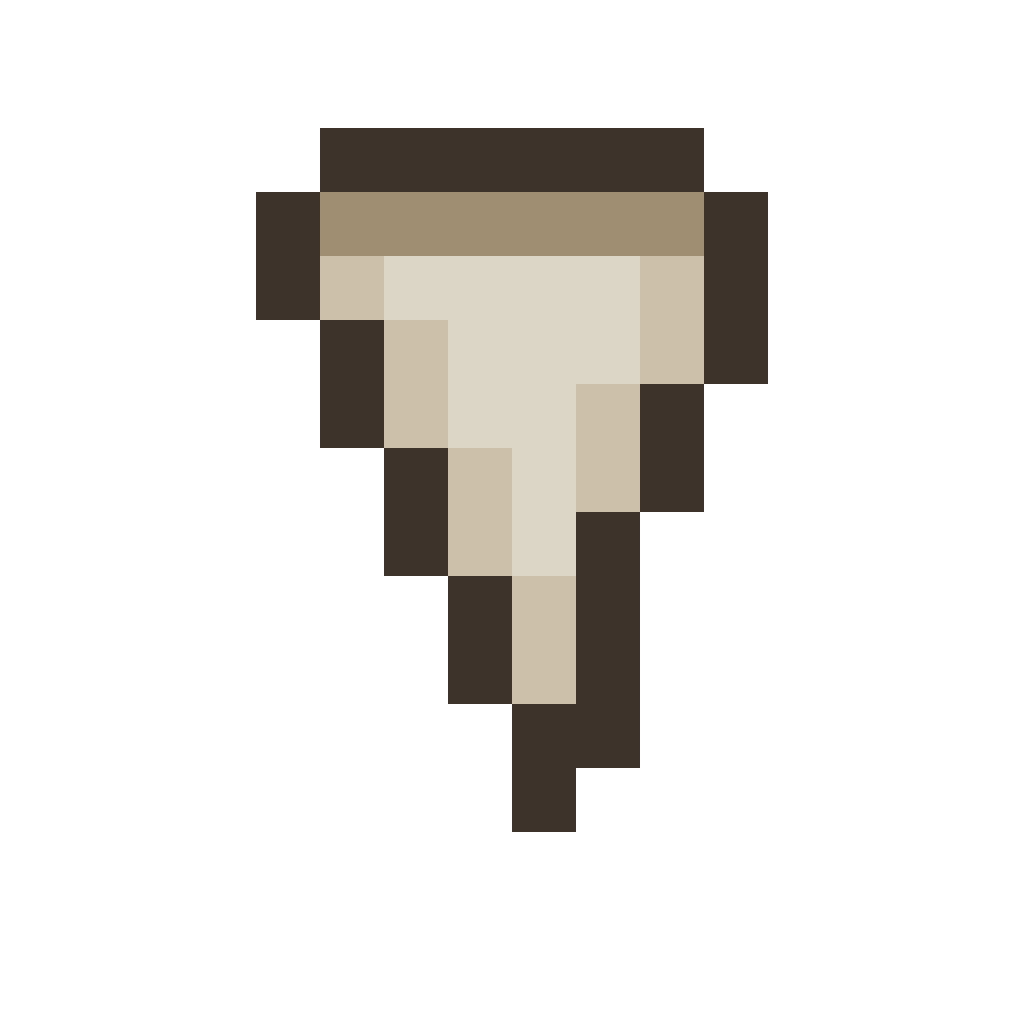 Tooth Fossil Fragment | 30%–60% | 1% | +16% |
 Skull Fossil Fragment | 20%–40% | 10% | +12% |
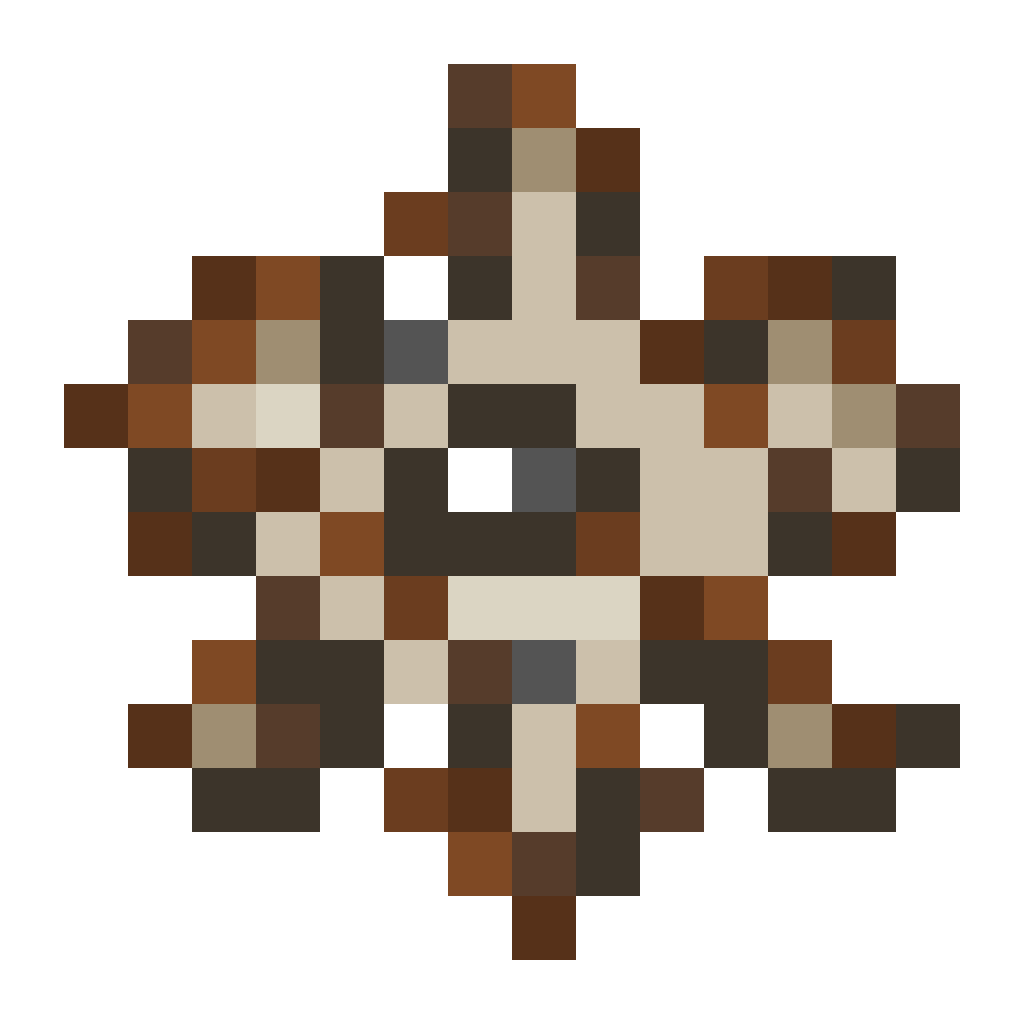  Vertebra Fossil Fragment | 10%–30% | 20% | +8% |
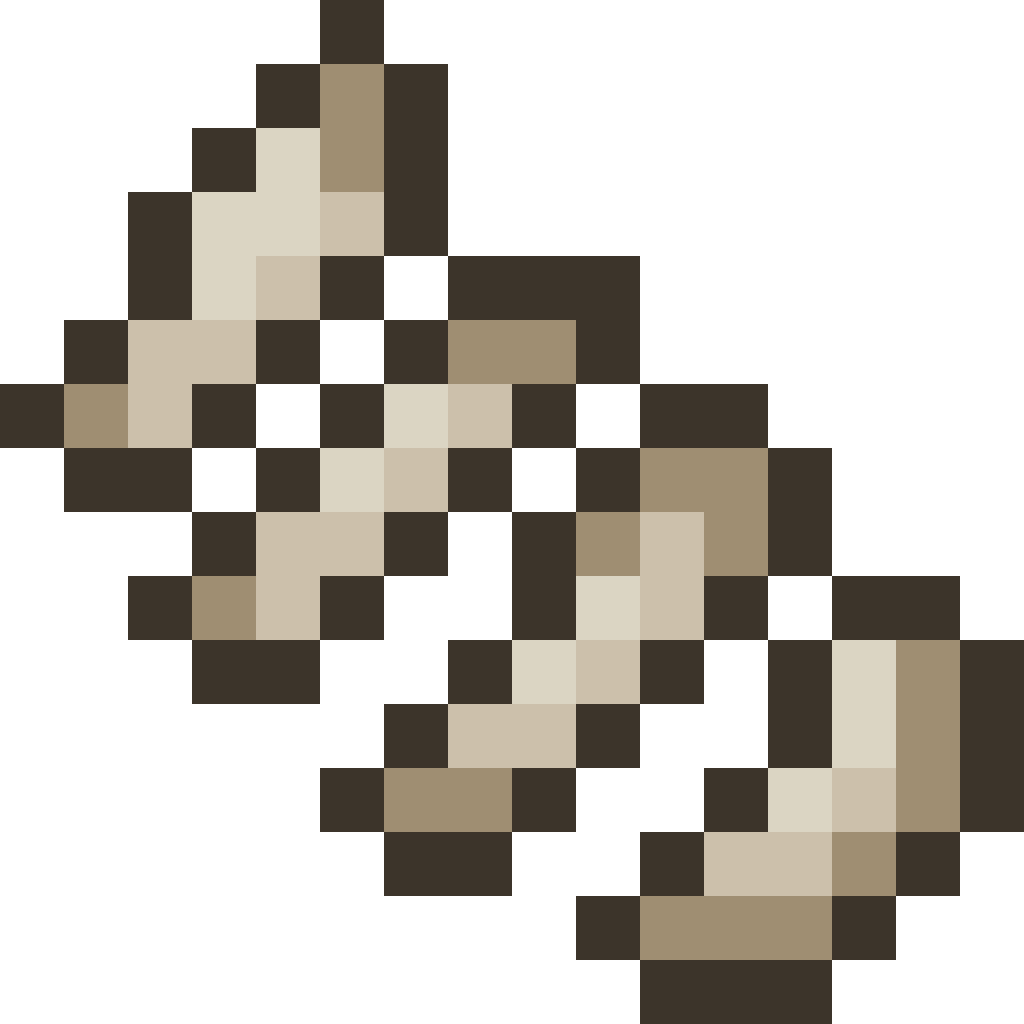 Rib Fossil Fragment | 5%–20% | 30% | +4% |
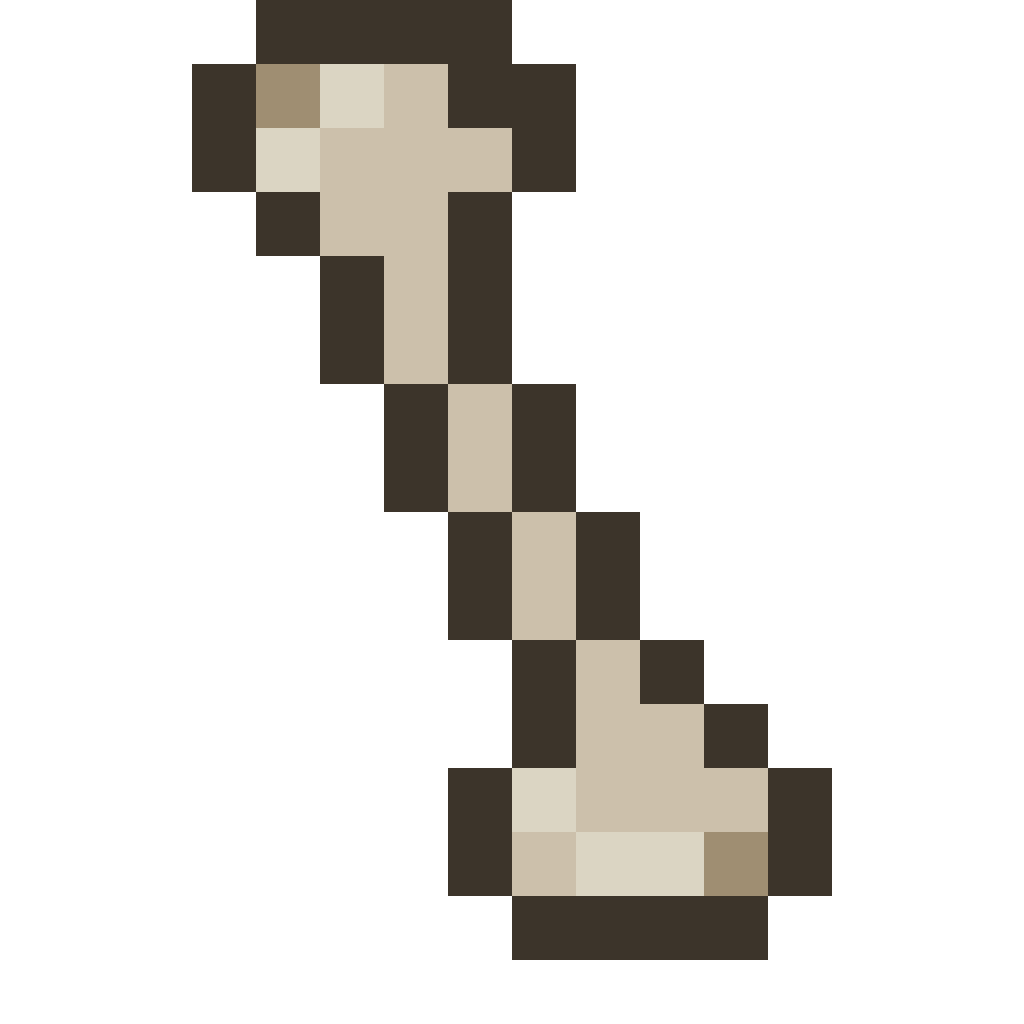 Limb Fossil Fragment | 1%–15% | 35% | 0% |
 Claw Fossil Fragment | 1%–10% | 50% | -4% |
The left icon is the dirty fossil as dug up, the right is the cleaned one. Completeness is rolled when the fossil drops, then adjusted by the chisel.
Chisels
Chisels mine fossil ore and rock piles. How a chisel changes a fossil depends on where it came from:
- Plain fossil ore and the bones in rock piles roll low, so the chisel adds its ore bonus on top of the roll and takes nothing off.
- Everything else (deepslate fossil ore, amber, frozen fossils, egg fossils from rock piles) loses a share of its completeness to the chisel.
Either way, a better chisel means better fossils.
| Chisel | Durability | Ore bonus | Completeness lost | Completeness kept |
|---|---|---|---|---|
 Netherite Chisel | 2031 | +31% | None | 100% |
 Diamond Chisel | 1561 | +25% | -10% | 90% |
 Iron Chisel | 250 | +16% | -25% | 75% |
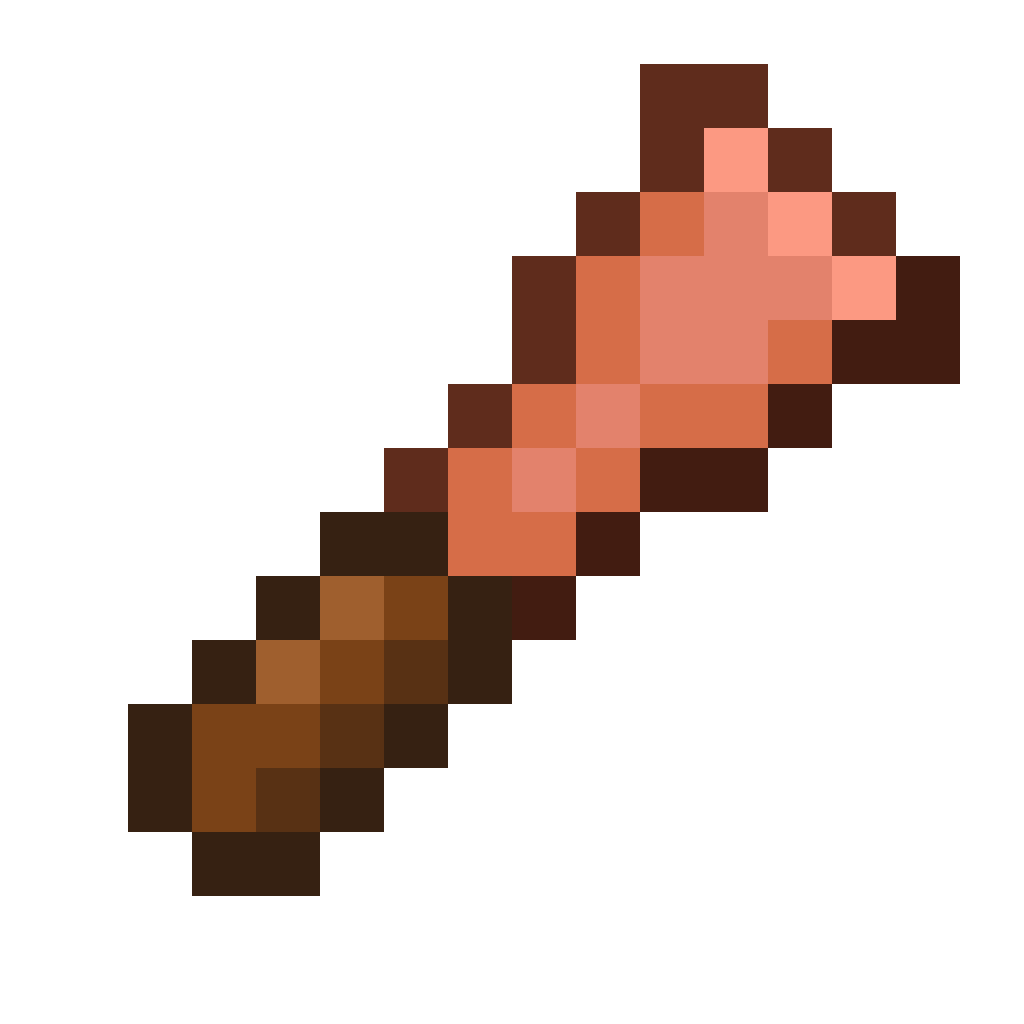 Copper Chisel | 190 | +9% | -35% | 65% |
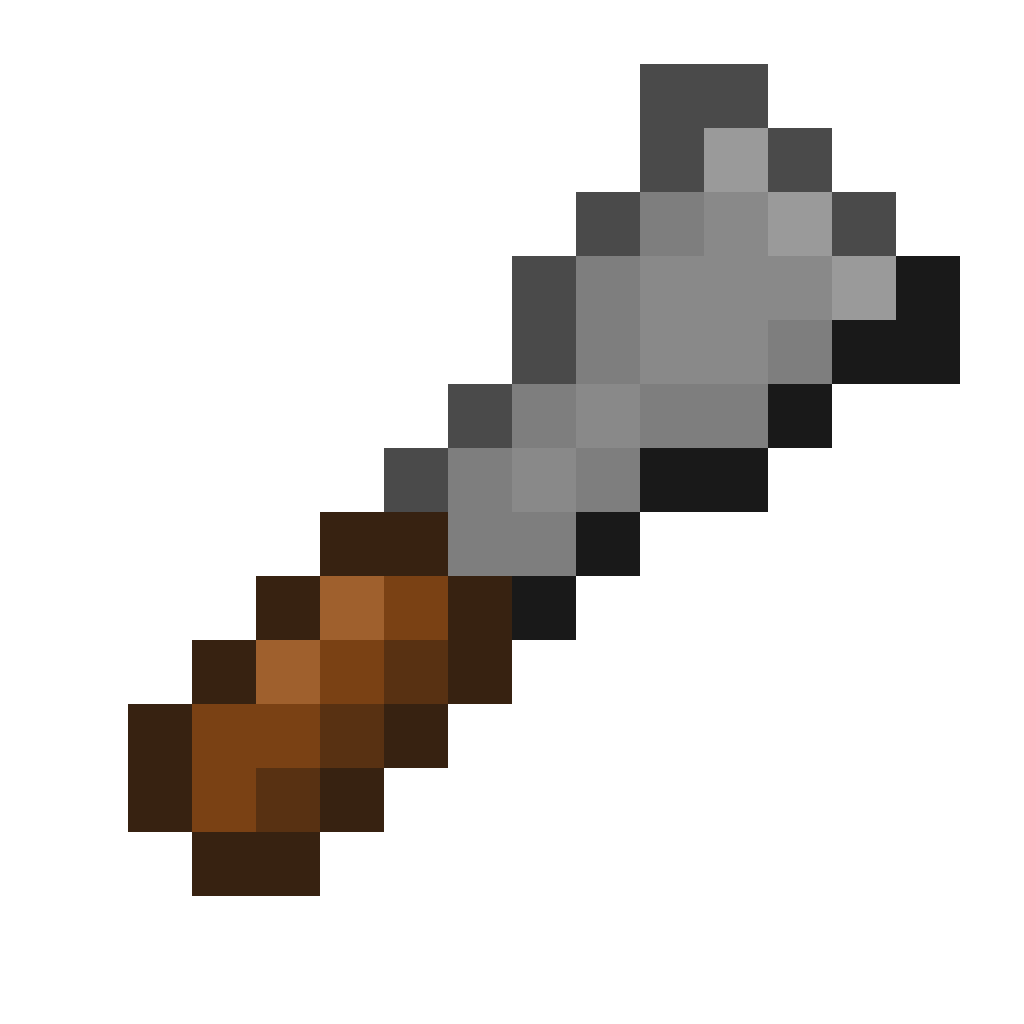 Stone Chisel | 131 | +6% | -40% | 60% |
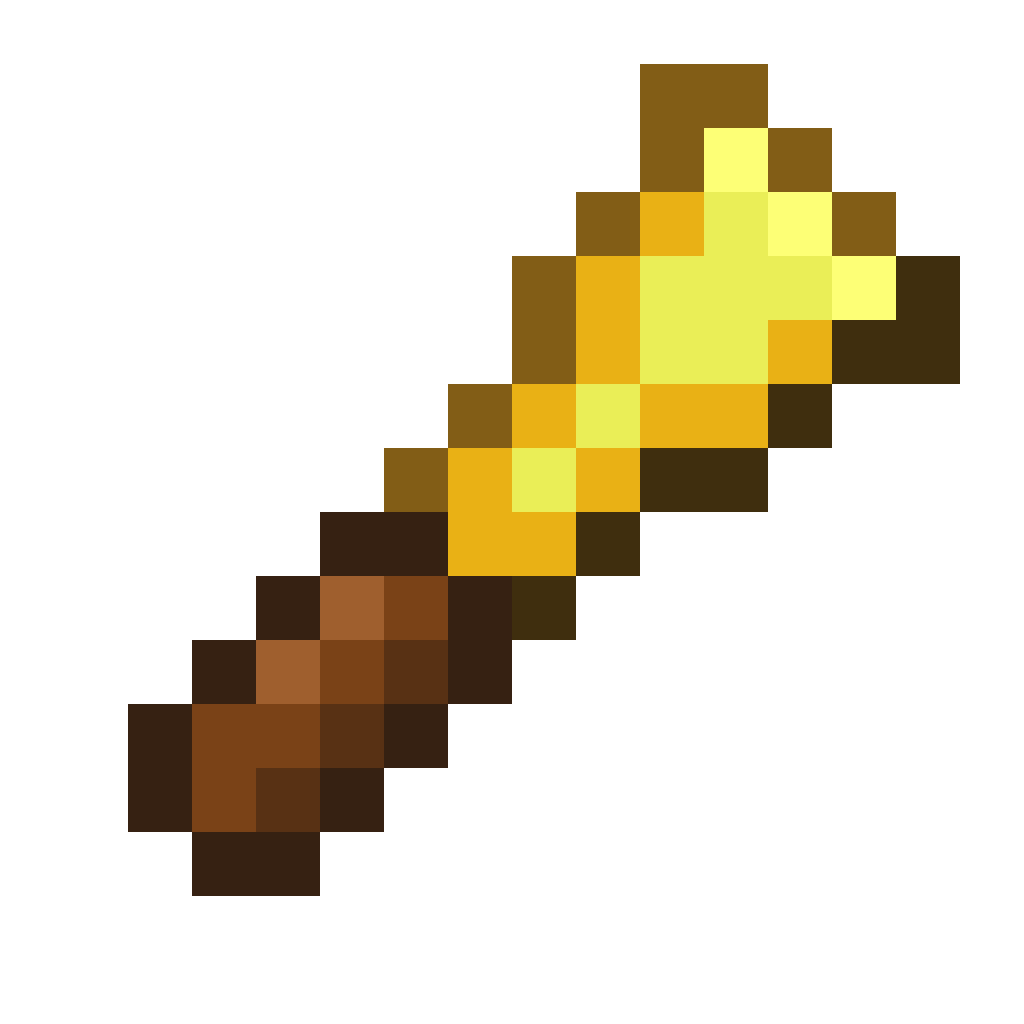 Golden Chisel | 32 | None | -50% | 50% |
All chisels share one recipe shape, a stick and two of the material:
 Stone Chisel
 Copper Chisel
 Iron Chisel
 Golden Chisel
 Diamond Chisel
The Netherite Chisel has the biggest ore bonus and is the only one that does no damage. It has no crafting recipe yet.
Chisels can be repaired in an anvil with their material, like vanilla tools. A chisel with Fortune adds 10% completeness per level, on top of any ore bonus and before the chisel's damage is taken off, but chisels can't be enchanted in survival yet.
Try it
Pick a fossil and a chisel to see what you can expect, all the way to the DNA it will give.
- Completeness
- 36%–56%
- Identify fail chance
- 10% (new species only)
- After a failed identify
- from 32%
- DNA sample
- Stable to Preserved Embryo
DNA integrity score = completeness + 12% (Skull Fossil Fragment bonus). The highlighted band is where this fossil lands.